 · EST. 1998
How to Import Clothing from Turkey: a Step-by-Step Guide for First-Time Buyers
Importing clothing from Turkey is a sequence of eight decisions, most of them made before any money moves. This guide walks a first-time buyer through them in order, from choosing a supplier to the day the boxes arrive.
Turkey is one of the world's largest apparel producers, and for a buyer in Europe, the Balkans, the Middle East, Africa or Central Asia it is also the closest one: goods leave Istanbul and arrive in days rather than weeks. That is why so many boutiques start their import story here. What stops many of them is not price or quality — it is not knowing the order of steps. This guide gives you that order.
We are a manufacturer and wholesaler, so read this as an informed but interested view. Where a number depends on your country, we say so and point you to the detailed guide for your route.
Step 1 — Decide what kind of import you are making
There are two very different products behind the words "clothing from Turkey". Ready stock is bought from a catalogue, in full size sets or single pieces, and ships within days; it suits a boutique that wants to test styles with small money. Custom production is made to your brief, from your own label on an existing model up to a full design from a tech pack; it needs minimum quantities per model and takes weeks. Most first-time importers should start with stock — it is the cheapest way to learn what sells before committing to production.
If you are new to Turkish wholesale, read what a size set (seri) is first: it is the unit most suppliers count in, and it decides how many pieces a "small" order really contains.
Step 2 — Find suppliers, three ways
- Istanbul's wholesale districts. Laleli, Osmanbey and Merter are the historic centres, each with a different character and price level. Visiting is worthwhile once you know what you want; it is an expensive way to browse.
- Online wholesale catalogues. Serious manufacturers now publish their full range online, usually with prices behind a free trade account. You can compare ranges, sizes and terms from your desk before spending on a flight.
- Trade fairs and referrals. Istanbul hosts several apparel fairs a year, and other boutique owners in your market are often the best source of a supplier name.
Whichever route you take, shortlist two or three suppliers rather than one. The comparison itself teaches you what a fair price and a normal minimum look like.
Step 3 — Verify before you pay anything
This is the step first-time buyers skip and regret. A real Turkish supplier has a registered company name, a registered address, a tax number and — for companies — a MERSİS registry number. Ask for them and check that the proforma invoice comes from the same company that will receive your payment. Ask for a video call from the warehouse or workshop, and for photos of an actual shipment being packed. A supplier who sells from stock should be able to show you the stock.
Our supplier verification guide lists the red and green flags in detail. For our own part, the company details are on our legal notice page, and every catalogue order is confirmed by a named salesperson on WhatsApp before any invoice is issued.
Step 4 — Get a proforma and understand the price
A proforma invoice is the document that turns a conversation into an order. It should list every style code, colour, size breakdown, quantity and unit price, plus the shipping option and the payment terms. Turkish export prices are normally quoted per piece, in USD or EUR, without Turkish VAT — export sales are zero-rated, and you pay import VAT in your own country instead.
The single most useful thing you can do at this stage is to calculate the landed cost per piece: unit price, plus your share of freight, plus duty, plus import VAT, plus clearance and local delivery, divided by the number of pieces. That figure, not the unit price, is what your retail margin is built on. Our price guide shows typical price bands and how to run the calculation.
Two words you will see on quotes: EXW (ex works — you arrange collection from the supplier's door) and DAP or DDP (delivered to your address, with duties unpaid or paid). Ask which one the quote is on; two quotes on different terms cannot be compared.
Step 5 — Pay safely
Bank transfer against the proforma is the standard method; for custom work the usual schedule is a deposit to start and the balance before shipment. Pay only to a bank account in the name of the company on the proforma. With us, payment is by bank transfer, cash or via your cargo company — agreed with you for each order on WhatsApp; the site itself takes no payment. Our proforma and SWIFT guide covers bank details, fees and what to write in the transfer reference.
Send the proforma, the commercial invoice draft and the packing list to your customs broker on the day you receive them — before the goods are dispatched. Ten minutes of their time now prevents a week at the border later.
Step 6 — Choose how it ships
For a first order the answer is almost always air express — DHL, UPS or FedEx door to door, typically three to six working days plus clearance, with tracking you can follow from your phone. Larger orders move to air cargo (cheaper per kilo, you collect at the airport or use a forwarder), road freight for Europe and the Balkans, or sea for Africa and Latin America, which is far cheaper but adds four to six weeks. Your supplier can usually book the express carrier for you; for cargo and sea you will normally use your own forwarder.
Route-specific costs, timelines and customs notes: Lagos and West Africa · Latin America · Russia and Central Asia · Greece and the Balkans · EU boutiques.
Step 7 — Clear customs at your end
Clothing is classified under HS chapters 61 (knitted) and 62 (woven); the exact code sets your duty rate, so let a licensed customs broker confirm it. The documents that travel with the goods are the commercial invoice, the packing list and, depending on your country, a certificate of origin — for EU importers an A.TR movement certificate, which reflects the EU–Turkey customs union, and for countries with a free-trade agreement with Turkey often a EUR.1. Ask your supplier before dispatch which certificate will accompany the shipment.
The most common cause of delay anywhere is a mismatch between the invoice, the packing list and what is physically in the cartons. Insist that the three match exactly, style code by style code.
Step 8 — Receive, check and reorder
Open the cartons against the packing list within 48 hours of delivery and photograph anything that is short, damaged or wrong; every reputable supplier handles claims, but only with evidence and only promptly. Then do the thing that separates growing boutiques from stuck ones: note which styles sold in the first two weeks and reorder them while they are still in stock. Weekly or fortnightly replenishment of proven styles is how most of our fastest-growing partners work.
The checklist
- Supplier's legal name, address, tax number and MERSİS number checked.
- Proforma with style codes, sizes, quantities, unit prices, shipping terms (EXW / DAP / DDP) and payment terms.
- Landed cost per piece calculated with your broker's duty and VAT figures.
- Payment to the company account named on the proforma; transfer reference quoting the proforma number.
- Freight mode chosen; forwarder or express account confirmed.
- Commercial invoice, packing list and origin certificate (A.TR / EUR.1 / CO) reviewed by your broker before dispatch.
- Cartons checked against the packing list within 48 hours; photos taken.
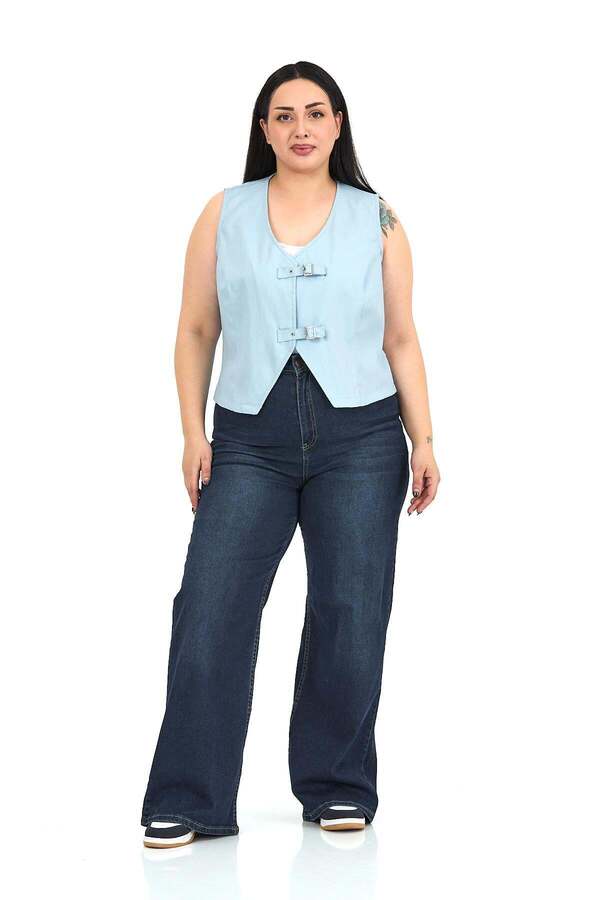
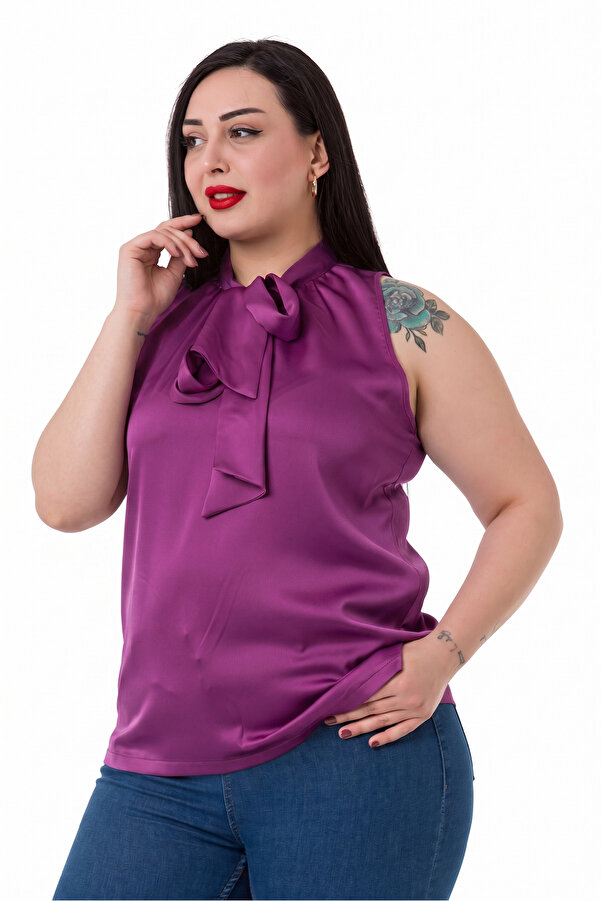
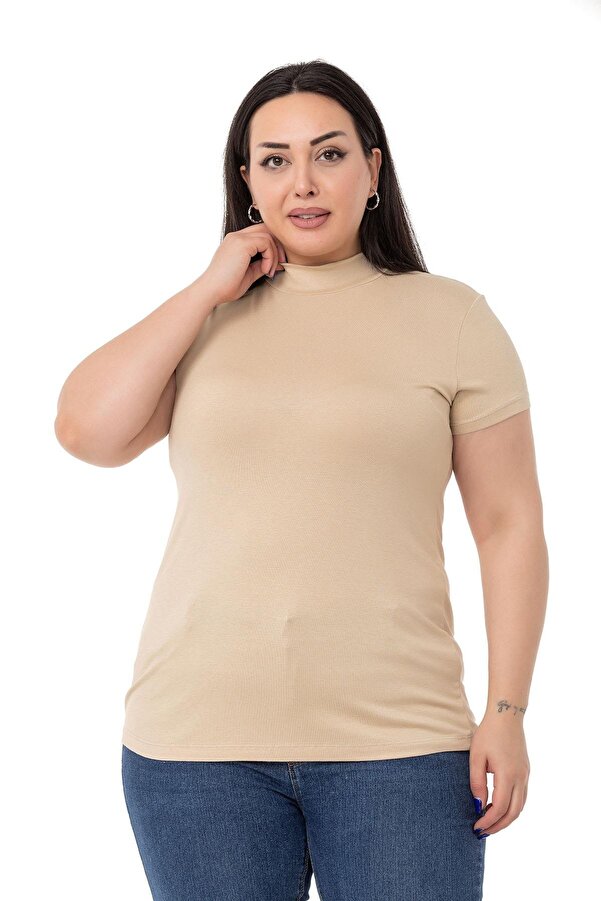
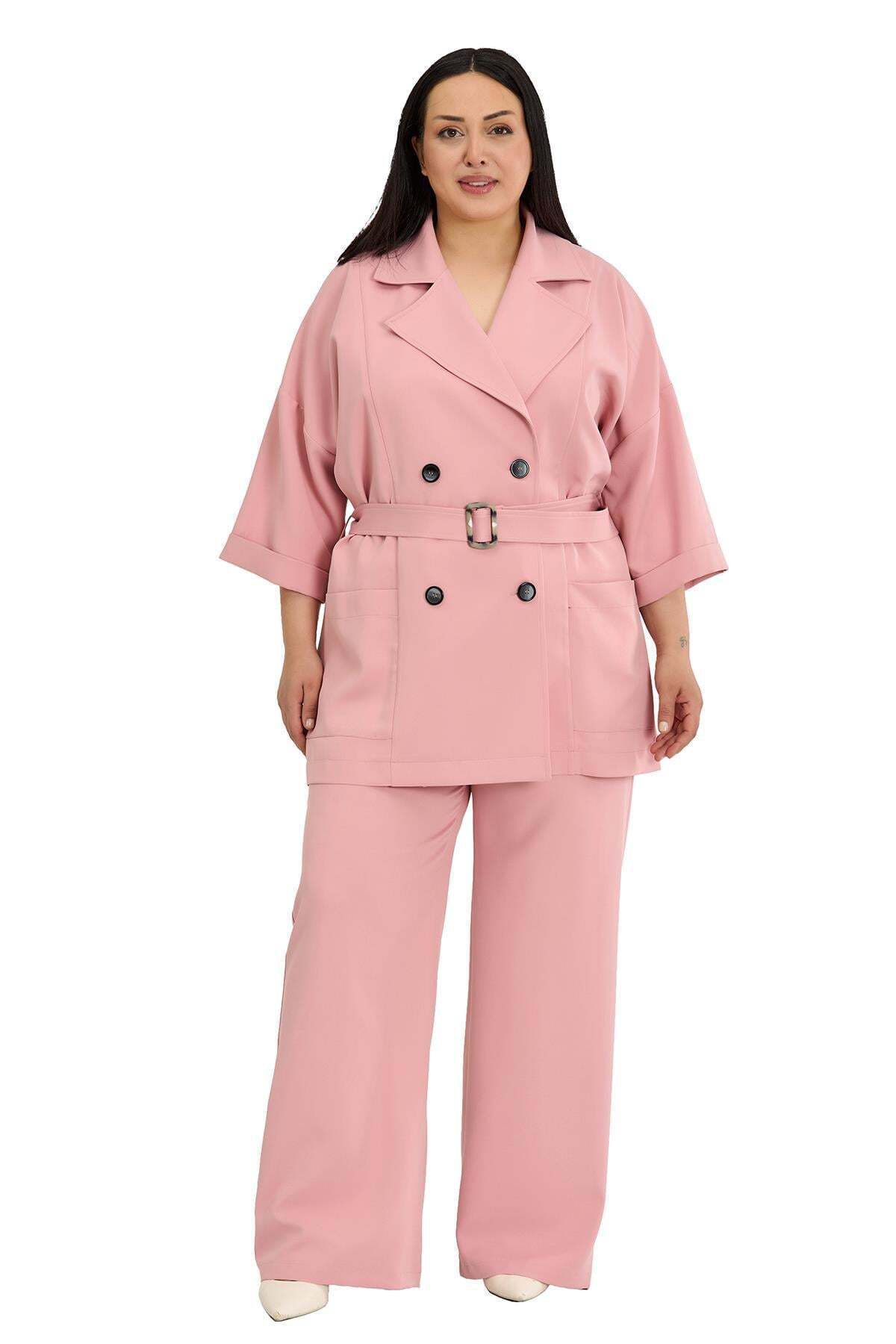
Ready to see what a Turkish wholesale catalogue actually looks like? Our collection shows 600+ plus-size styles with a free trade account, the FAQ answers the questions above in our own terms, and if your plan is production rather than stock, start with what our atelier can make.
Frequently asked questions
Do I need a registered business to import clothing from Turkey?
In most countries a commercial import needs an importer with a tax or VAT registration; the supplier needs those details for the invoice and your customs broker needs them for clearance. Small personal parcels follow different rules and are not a basis for a boutique. Confirm the requirement for your own country with a customs broker before your first order.
What is the minimum order when importing from Turkey?
It depends on the supplier. Many count in size sets — one piece of each size in a colour — and set a value or quantity minimum. Our own catalogue minimum is $400 per order — roughly 20–30 pieces; different models and colours can be combined, in full size sets or single pieces, and custom production starts from 250 pieces per model.
Do I pay Turkish VAT on an export order?
No. Export sales are quoted without Turkish VAT; instead you pay import VAT in your own country at your national rate when the goods clear customs. For a VAT-registered business that import VAT is usually recoverable, but you still need the cash at the border.
Which documents do I need to clear customs?
A commercial invoice and a packing list that match each other exactly, and depending on your country a certificate of origin: an A.TR movement certificate for EU importers, often a EUR.1 for countries with a free-trade agreement with Turkey, or a general certificate of origin elsewhere. Your customs broker will tell you which one applies.
How long does shipping from Istanbul take?
Air express typically three to six working days plus clearance; road freight to Europe and the Balkans a few days to a week; sea freight to Africa or Latin America adds four to six weeks. In-stock catalogue orders reach the carrier within 1–2 business days of confirmation.
How do I pay a Turkish supplier safely?
Bank transfer against a proforma invoice, to an account in the name of the company on that proforma. For custom production the usual schedule is a deposit to start and the balance before shipment; with us, payment is by bank transfer, cash or via your cargo company, agreed with you for each order on WhatsApp — the site itself takes no payment. Never pay to a personal account that does not match the company name.
Can I visit the supplier before ordering?
Usually yes, and it is worth doing once your shortlist is down to two or three names. Our own wholesale showroom in Istanbul receives visitors by appointment — message us to arrange.
Is it better to buy stock or order custom production first?
Stock first. A small stock order teaches you which silhouettes and sizes sell in your market for a few hundred dollars; custom production commits you to 250 or more pieces of a single model. Once a style has proven itself, custom work — starting with your own label on that model — becomes a low-risk step.