 · EST. 1998
Wholesale Plus-Size Prices from Turkey: 2026 Cost Guide
A dress's wholesale price is not what it costs you once it lands in Lagos or Mexico City. Here are typical October 2026 wholesale price bands for the models in our stock, the cost drivers behind them, and how to calculate your true landed cost before you commit.
Most buyers ask "how much is a dress?" when the question that decides their margin is "what does this dress cost me on my shop floor?" Between the two numbers sit fabric consumption, freight per kilo, duty, and the size range. This guide gives typical wholesale price bands for the models in our stock (October 2026), then shows the arithmetic that turns a unit price into a landed cost. At Disentis Modest we have produced in our own Istanbul workshop since 1998 across 600+ models in sizes 34–60, so the bands below come from our own stock and the cost logic is the same one we use when we quote.
What a Turkish Wholesale Price Actually Includes
Almost every price you will be quoted in Istanbul is ex-works or FOB Istanbul: the garment, its labels and packaging, ready to collect or hand to your forwarder. It does not include international freight, insurance, import duty, VAT or customs clearance in your country. That is not a hidden cost — it is simply the point where responsibility transfers, and it is why two quotes can look identical and land 30% apart.
- Included: cut fabric, trims, labour, lining where applicable, brand-neutral labelling, individual poly bag, carton packing.
- Usually included: basic quality check before packing and a packing list per carton.
- Not included: freight, insurance, duty, VAT, clearance fees, last-mile delivery in your city.
- Priced separately when requested: private labelling, custom hangtags, special packing, size-set repacking for retail.
Typical Price Bands by Category (October 2026)
These are typical wholesale prices per piece for the models in our stock, as of October 2026, in US dollars. They are ranges, not a price list: individual models can sit above or below their band, and the current price of every model is shown in the catalogue with free membership. Where a category has a wide band, the difference is almost always fabric quality, lining and finishing detail.
- Bodysuits: $3–5
- Leggings: $5–7
- Shorts: $4–9
- Kimonos and kaftans: $5–10
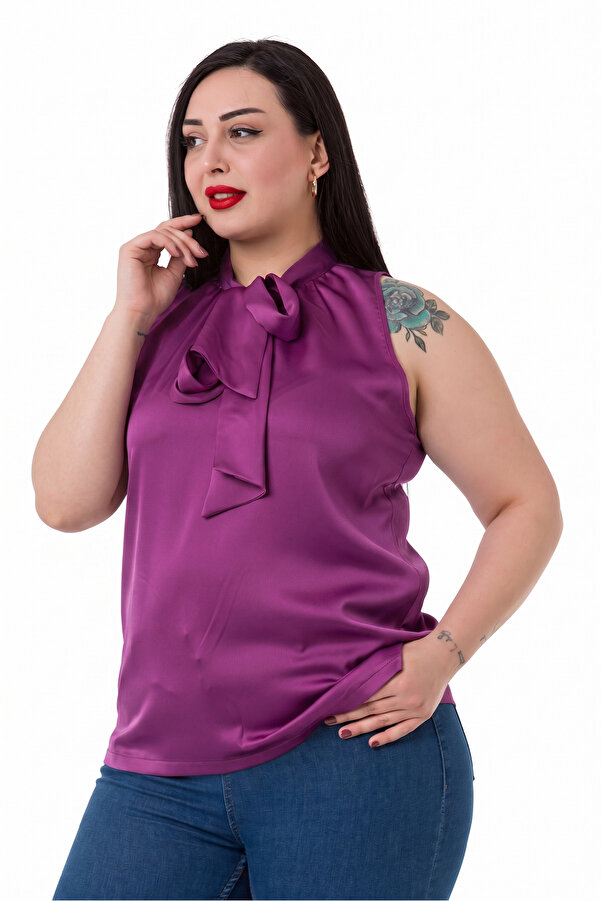
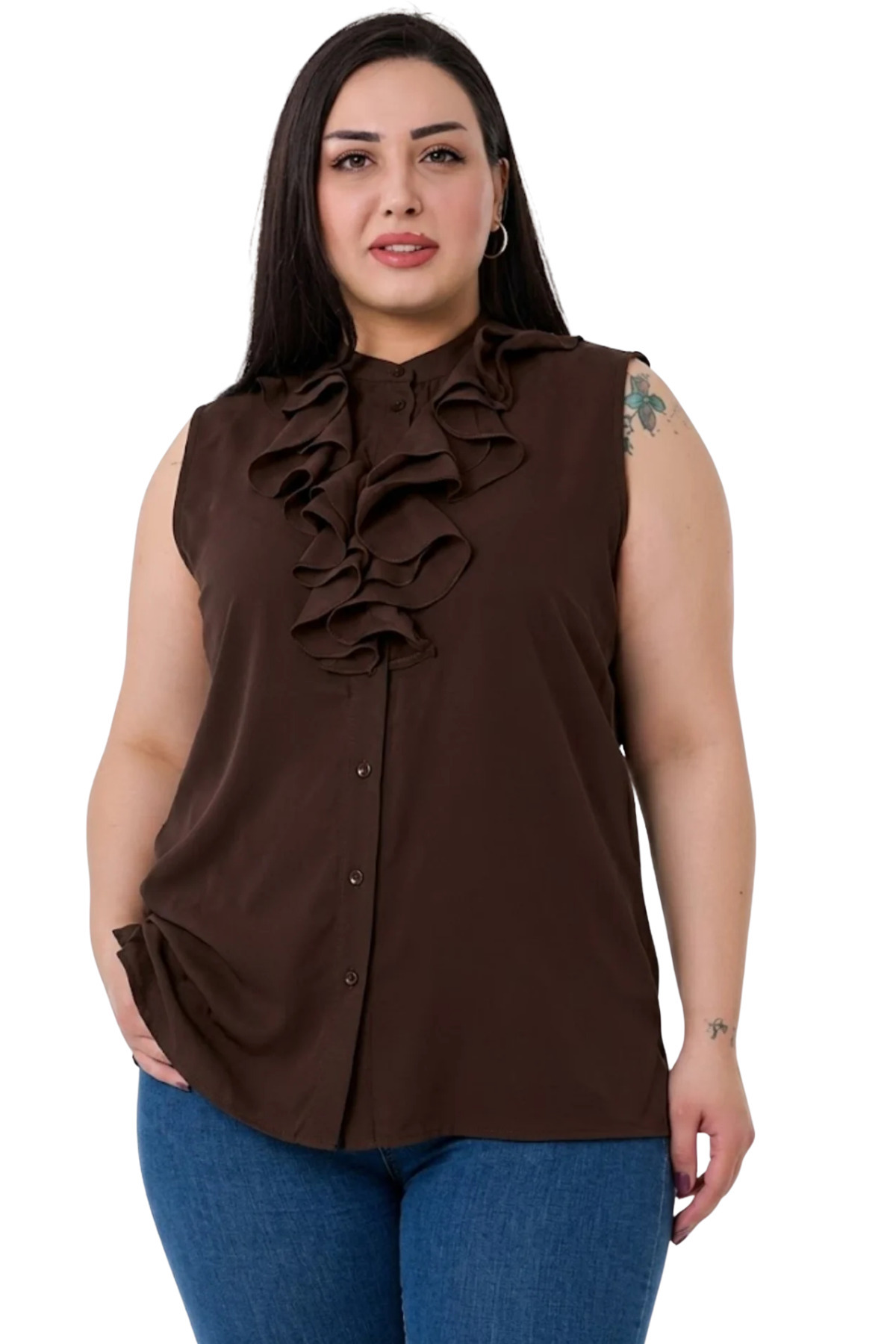
- Blouses: $8–13
- Sweatshirts: $9–17
- Trousers: $10–15
- Shirts: $12–16
- Skirts: $12–16
- Denim: $12–17
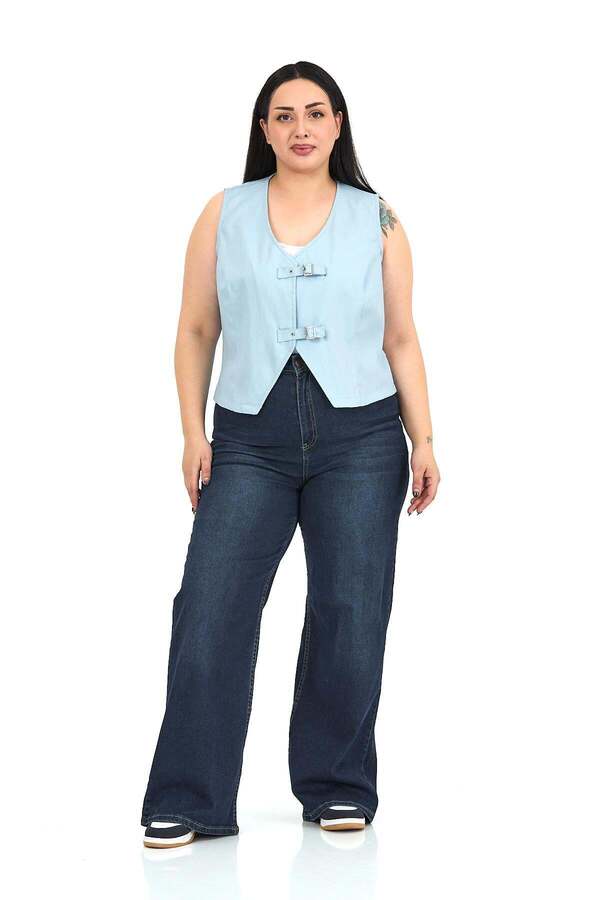
- Vests: $13–17
- Dresses: $13–20
- Jackets: $16–23
- Jumpsuits: $15–25
- Co-ord sets: $22–34
- Outerwear: $26–40
- Small sizes 34–44: $2–9, depending on style and pack size
Five things move the price — where a model sits within its band, and what your order costs you in the end:
- Fabric: weight and composition. A 180 g viscose blend and a 260 g crepe are not the same garment, even in the same silhouette.
- Workmanship and detail: lining, pockets, invisible zips and pleats each add measurable minutes at the machine in our own Istanbul workshop, and minutes are the labour cost.
- Size range: we produce sizes 34–60, and larger sizes use more fabric and trims — the next section shows why.
- Order size, size sets or single pieces: the minimum order is $400 in total, roughly 20–30 pieces. Different models and colours can be combined, as full size sets or single pieces. A larger, consolidated order mainly lowers your freight cost per kilo.
- Custom production: the bands cover stock models only. Custom production and private label start from 250 pieces per model and are priced separately.
Practical tip: when comparing two suppliers, ask for the fabric weight in grams per square metre and the composition, not just the price. Two dresses at the same price with 150 g and 230 g fabric are two completely different products, and your customer will feel the difference before you do.
Why Plus Sizes Cost More Than Standard Sizes
This is the part most new buyers underestimate. A size 56 garment is not a size 46 garment with a bigger label — it consumes more of everything.
- Fabric: a TR 56 dress typically uses 20–25% more fabric than a TR 46 of the same style. Where fabric is roughly half the cost of a garment, that difference shows directly in the price.
- Marker efficiency: large pattern pieces nest less efficiently on the roll, so waste rises even beyond the extra area.
- Pattern work: the plus block is drafted separately, with reshaped armholes, deeper darts and adjusted sleeve width — a fixed development cost spread over the order.
- Trims: longer zips, wider elastic, more thread and interfacing.
- What it means for you: when you compare suppliers, check which sizes a quoted price actually covers — a range that ends at 48 and one that runs to 60 are not the same offer.
From Unit Price to Landed Cost: A Worked Example
Take a realistic first order: $3,000 of goods ex-works. At the ratio of our minimum order — $400 for roughly 20–30 pieces — that is about 150–225 pieces. Average packed weight for mixed dresses and separates is around 0.35–0.45 kg per piece, so call it 80 kg gross.
- Air express (3–6 days): roughly $6–11 per kg for shipments under 100 kg → about $480–880.
- Air cargo (5–10 days): roughly $3.5–6 per kg once you are above 100 kg → cheaper per kilo but adds airport handling and a local clearance step.
- Sea LCL (25–45 days): the cheapest per kilo by a wide margin, but rarely worth it below 300–400 kg because fixed port and clearance charges dominate.
- Import duty and taxes: highly country-specific. Apparel duty commonly falls in the 10–30% range, plus local VAT or sales tax on top. Confirm your exact HS code with a customs broker before ordering — a five-minute call can move your landed cost by hundreds of dollars.
- Clearance and last mile: budget a flat $50–150 in most markets for broker fees and local delivery.
Running the mid-case: $3,000 goods + $650 air express + say 20% duty ($600) + $100 clearance = $4,350 landed for $3,000 of goods. That multiplier — roughly 1.45× — is the number to memorise. Your true cost is rarely the price you negotiated; it is the price you negotiated times the freight and duty reality of your own market.
Practical tip: run your landed-cost multiplier once, write it on a sticky note, and apply it to every quote you receive. If your multiplier is 1.45×, every model costs you 1.45 times its wholesale price by the time it reaches your shop floor — build your retail price on that figure, not on the wholesale one.
Minimum Order, Payment Terms and Cash Flow
Our minimum order is $400 in total, roughly 20–30 pieces — deliberately low for a first test rather than a commitment to a container, and enough to test three or four models before you scale. Different models and colours can be combined, as full size sets or single pieces.
- Step 1: build your list on the collection page: models, colours and quantities — full size sets or single pieces.
- Step 2: send the list on WhatsApp to +90 555 336 47 86; you get stock confirmation and a proforma invoice.
- Step 3: payment is by bank transfer, cash or via your cargo company — agreed with you for each order on WhatsApp. The site itself takes no payment.
- Step 4: we ship worldwide; give us the destination city and preferred courier so the proforma shows real freight rather than a placeholder.
- Cash-flow note: for custom production the usual schedule is a deposit to start and the balance before shipment, so plan your cash for both steps.
What Your Retail Price Should Be
Most successful plus-size boutiques we work with price at 2.2× to 3× landed cost, with the multiple rising as the piece gets more distinctive. Basics live near the bottom of that range because customers can price-compare them; evening and outerwear live near the top because they cannot.
- Basics (t-shirts, leggings): 2.0–2.4× landed. Low margin per piece, high repeat rate.
- Dresses and co-ords: 2.5–2.8× landed. This is where most of the gross profit is made.
- Evening and outerwear: 2.8–3.2× landed. Slow turn, high ticket, strong window appeal.
- Reality check: budget 10–15% of the season's units for markdown. If your full-price multiple does not survive that, the multiple is too low, not the markdown.
Five Ways to Lower Cost per Piece Without Lowering Quality
- Consolidate orders. Freight is the single biggest lever. One 80 kg shipment costs far less per kilo than four 20 kg shipments.
- Buy depth, not width. Full size sets in three strong models beat one piece of everything — they lift your per-model quantity and your sell-through at the same time.
- Choose fabric with intent. Moving from a heavy woven to a good viscose blend can cut both unit price and shipping weight on the same silhouette.
- Reorder proven models. Repeat models carry no discovery risk and let you commit to larger, more efficient quantities.
- Time your payments. Agree payment and freight together so you are not paying for storage or re-quoting shipping twice.
None of this requires negotiating harder. It requires knowing which number actually moves — and in cross-border plus-size wholesale, it is almost never the unit price alone.
Frequently asked questions
How much does wholesale plus-size clothing cost from Turkey in 2026?
For the models in our stock, typical wholesale prices (October 2026) run from about $3–5 per piece for bodysuits to $26–40 for outerwear; dresses typically sit at $13–20 and co-ord sets at $22–34. The current price of every model is shown on the site with free membership. The spread within each band comes mainly from fabric weight, lining and construction detail. These are ex-works prices and exclude freight, duty and local taxes.
What is the minimum order for plus-size wholesale from Turkey?
Our minimum order is $400 in total, roughly 20–30 pieces. It is designed as a genuine test order so you can trial three or four models before scaling. You build the list on the site and send it via WhatsApp to +90 555 336 47 86.
Why are plus sizes more expensive to produce than standard sizes?
A size 56 garment uses roughly 20–25% more fabric than a size 46 of the same style, and large pattern pieces nest less efficiently, so waste rises too. Trims are longer, and the plus block requires separate pattern development. Where fabric is roughly half the cost of a garment, that extra fabric alone shows in the price.
How do I calculate the landed cost of clothing imported from Turkey?
Add ex-works goods value, freight, import duty, local VAT or sales tax, and clearance fees, then divide by the number of pieces. For a typical 200-piece air-express order, the landed cost lands around 1.4–1.6× the unit price. Confirm your HS code with a customs broker, since duty is the most market-specific variable.
What are the payment terms when buying from a Turkish wholesaler?
After your order is confirmed you receive a proforma invoice. Payment is by bank transfer, cash or via your cargo company — agreed with you for each order on WhatsApp; the site itself takes no payment. For custom production the usual schedule is a deposit to start and the balance before shipment.
Is air or sea freight cheaper for a small clothing order?
Air express is the practical choice under about 100 kg despite costing roughly $6–11 per kg, because sea LCL carries fixed port and clearance charges that dominate small shipments. Sea generally starts making sense above 300–400 kg, with a 25–45 day transit. Air cargo sits in between for 100 kg and up.
What retail markup should a plus-size boutique apply?
Plan for 2.2× to 3× your landed cost, not your wholesale price. Basics sit at the low end because customers can compare them, while evening dresses and outerwear support the high end. Build in 10–15% of units at markdown when you set the multiple.
Can I combine different models and colours in one order?
Yes — different models and colours from any category can be combined in one order, as full size sets or single pieces, as long as the total reaches the $400 minimum (roughly 20–30 pieces). Combining is the point of a first order: test several silhouettes, then reorder depth in whatever sells. Build the list on the collection page and send it on WhatsApp.