 · EST. 1998
Import Clothes from Turkey to Iraq & Jordan: Plus-Size Wholesale Guide
Boutiques in Iraq, Jordan, Lebanon and the Palestinian territories can buy plus-size womenswear in sizes 34–60 directly from an Istanbul atelier: register free, send your order list on WhatsApp and receive a proforma invoice, with a $400 minimum per shipment. This guide covers ordering, paperwork and routes for the region.
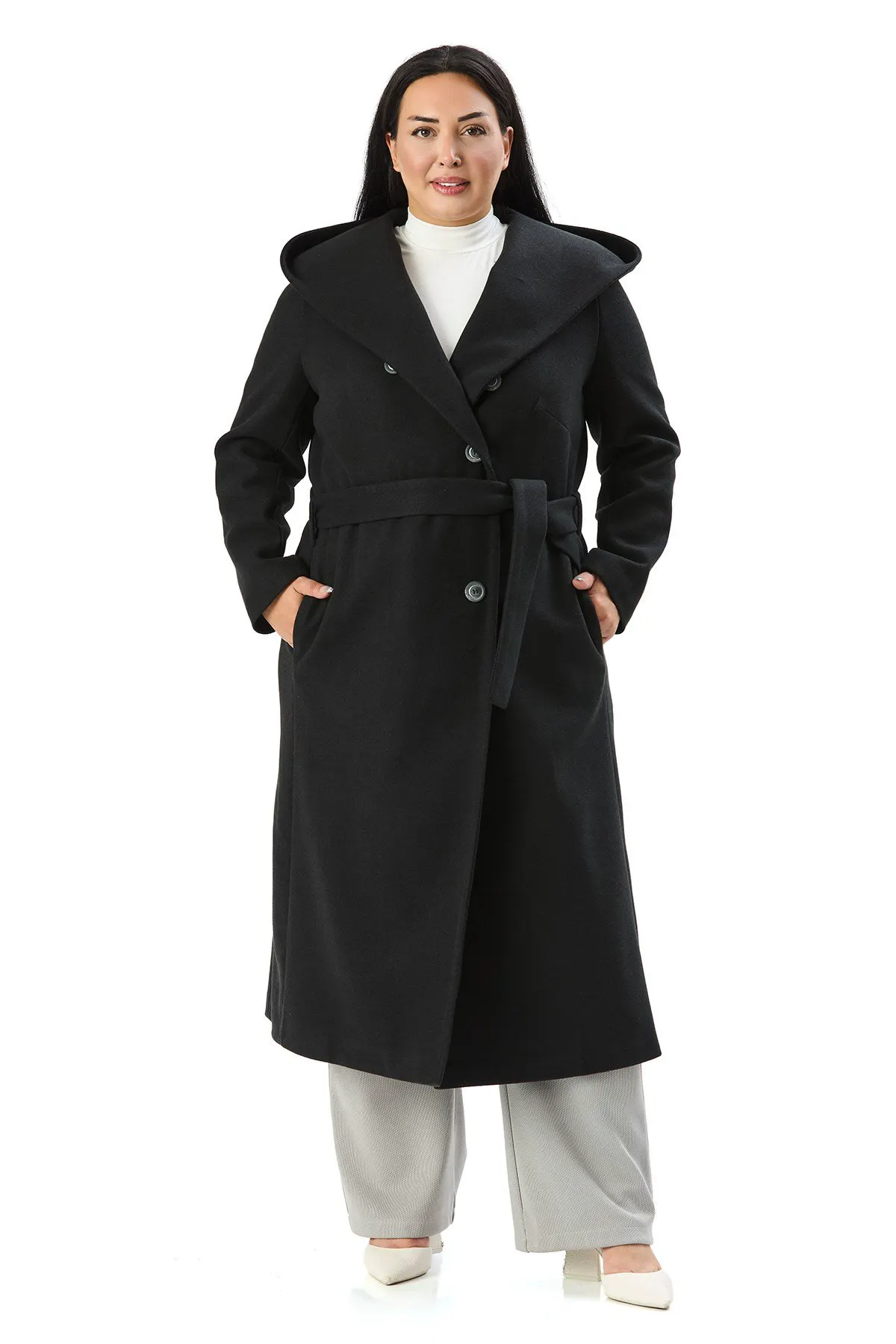
The most direct way to import plus-size clothes from Turkey to Iraq, Jordan, Lebanon or the Palestinian territories is to buy from an Istanbul manufacturer: register free, build an order list, send it on WhatsApp and receive a proforma invoice, with a $400 minimum per shipment. Goods then travel with a tracked courier or your own cargo company — by road into Iraq, by air to Baghdad, Erbil, Amman or Beirut, or by sea to Aqaba or Beirut — and a local customs broker clears them on your side.
- Who makes it: plus-size womenswear in sizes 34–60, cut and sewn in our own Istanbul atelier, with in-house production since 1998 and more than 600 styles in the catalogue.
- How to order: free registration (about 30 seconds) shows wholesale prices and live stock; you send your list on WhatsApp and receive a proforma invoice.
- Minimum order: $400 per shipment, in full size sets or single pieces; different models and colours can be combined.
- Trade agreements: Türkiye has no free-trade agreement in force with Iraq or Jordan; its agreement with Palestine is in force, and Lebanon's is signed but not yet in force.
- Iraq: at federal border crossings, textile products fall under the pre-import conformity programme of COSQC, Iraq's standards body (the Kurdistan Region applies its own checks), and an updated customs tariff began to apply in early 2026.
- Rules and dates checked in October 2026 — confirm current rules with your customs broker before you order.
How do I buy plus-size wholesale from an Istanbul manufacturer?
You register free on the site, build an order list, send it on WhatsApp and pay against a proforma invoice once our team has confirmed stock and sizes — the same ordering steps whether your shop is in Baghdad, Erbil, Amman, Beirut or Ramallah, with one extra approval for the Palestinian territories, explained below.
- Register free. It takes about 30 seconds, and members see wholesale prices and live stock for every style.
- Build your order list on the site. Different models and colours can be combined, and you can order full size sets or single pieces.
- Send the list on WhatsApp in one tap. We reply in English, Turkish and Arabic, so you can write your list and questions in Arabic.
- Receive a proforma invoice. The team confirms stock, the size breakdown and final pricing before anything is paid.
- Agree payment for the order. Payment is agreed with the sales team for each order: bank transfer, cash, or payment through your cargo company.
- Agree shipping. We ship with tracked carriers such as DHL, UPS and FedEx, or through your own cargo or forwarding company; shipping terms are agreed with each order.
If you already use a cargo company that collects in Istanbul, name it when you send your list so shipping terms can be agreed from the start; if you would rather see the collection first, showroom visits in Istanbul are by appointment. Our guide to ordering efficiently on WhatsApp shows how to lay out a list that gets a fast, accurate answer.
What plus-size styles sell in Iraq, Jordan, Lebanon and Palestine?
Build a first order around versatile categories with longer lengths and sleeves — dresses, co-ord sets, kimonos and kaftans, blouses and tunics — and add coats and jackets for the cold months in Iraq and Jordan, from a catalogue that runs up to size 60.
If you buy Turkish clothing wholesale for a shop in Baghdad, Basra or Erbil, you are building on an established position. A June 2025 Shafaq News report describes Turkish clothing as holding a commanding presence in Iraqi markets, cites the head of a Turkish business association who estimates that Turkish garments make up nearly 90% of the clothing in Iraqi shopping centres, and reports a Baghdad trader's view that Turkish winter wear sells quickly because it lasts longer.
- Dresses — maxi lengths and long sleeves for everyday wear, family visits and occasions.
- Co-ord sets — matching pieces sold together, easy to display and to reorder by colour.
- Kimonos and kaftans — open layers and loose cuts worn over trousers or dresses, at home and at gatherings.
- Blouses and tunics — the everyday pieces: long sleeves and a length that covers the hip.
- Coats and jackets — for winter in Iraq, including the Kurdistan Region, and in Jordan; order them early so they are on the rail before the cold arrives.
Whatever the category, specify the coverage you need in writing when you buy plus-size clothing wholesale from Turkey: sleeves to the wrist, maxi lengths, fabrics that stay opaque when stretched and loose cuts that do not cling.
If you also supply customers in the Gulf, our guide for Gulf boutiques covers the same categories for a hotter climate.
What paperwork do I need to import clothes from Turkey to Iraq, Jordan, Lebanon or Palestine?
Every destination expects a commercial invoice and packing list that match the cartons exactly, and each country adds its own requirements; the points below were checked in October 2026 and are orientation, not customs advice. Rules differ sharply even between neighbouring countries, as our Maghreb and Egypt guide shows for North Africa.
Is there a free-trade agreement with Türkiye?
According to the US government's summary of Türkiye's trade agreements, last published in January 2026:
- Iraq: no free-trade agreement with Türkiye is in force.
- Jordan: no agreement is in force; Türkiye's Ministry of Trade records that the Türkiye–Jordan agreement, which entered into force in 2011, was revoked as of 22 November 2018.
- Lebanon: an agreement has been signed but is still going through ratification, so it is not in force.
- Palestine: the Türkiye–Palestine agreement is listed among those in force; whether a shipment qualifies for preferential treatment depends on origin rules and documents.
Where no agreement applies, there is no Türkiye-specific preference to claim: your broker classifies the garments and applies your country's current tariff.
Iraq, including the Kurdistan Region
- Certificate of Conformity. Textile products are on the regulated list of Iraq's pre-import inspection and certification programme, run under COSQC (the Central Organization for Standardization and Quality Control), and regulated consignments must be accompanied by a Certificate of Conformity to clear customs. Goods cleared in the Kurdistan Region, for example at Ibrahim Khalil, are checked under the Region's own conformity arrangements, which Baghdad and Erbil are working to align, so ask your broker which certificate applies at your entry point and agree with our sales team who arranges it before you confirm the order.
- Customs tariff. Iraq began applying an updated tariff schedule in early 2026 under Cabinet Resolution No. 957 of 2025, with declarations moving to the electronic ASYCUDA system; in February 2026 the Federal Supreme Court dismissed a challenge to the resolution. Iraq has also announced that from 1 October 2026 importers paying a foreign supplier through a bank must first pay estimated customs duties and tax deposits through ASYCUDA before the transfer is sent, so ask your bank and broker how this applies to your order.
- Kurdistan Region. Federal border crossings have used the electronic ASYCUDA system since January 2026; in August 2026 Baghdad and Erbil announced an agreement to bring the Region's crossings into the same system, which is also meant to unify customs tariffs, with roll-out announced from October 2026. If your goods enter through Ibrahim Khalil but are sold in Baghdad or the south, ask your broker how the onward movement is handled and whether the new system already applies.
- More change ahead. On 6 October 2026, COSQC said a digital platform for issuing certificates of conformity, linked electronically to goods release at border crossings, was in its final stages.
Jordan
Before you import clothes from Turkey to Jordan, note what the US Commercial Service's Jordan guide, updated in February 2026, lists: a commercial invoice, an air waybill and a packing list; a customs declaration filed electronically by an authorised clearing agent in Jordan; an importer's card from the Ministry of Industry, Trade and Supply, or a customs bond; and labels in Arabic or carrying an Arabic stick-on label, under rules issued by the Jordan Standards and Metrology Organization. Ask your broker how the labelling rule applies to garments.
Lebanon
If you buy Turkish clothes wholesale for a shop in Lebanon, remember that the agreement with Türkiye is not in force. The US guide for Lebanon, updated in February 2026, lists a declaration on the Single Administrative Document, the original commercial invoice, a packing list, a bill of lading, proof of payment and the sales contract, plus a certificate of origin if the invoice does not state where the goods were made; some goods also need certificates of conformity with mandatory standards.
Palestine
For the Palestinian territories, work with an experienced local customs broker, who can tell you how the Türkiye–Palestine agreement applies to your goods and which documents your shipment needs. Since October 2024, Türkiye has required each shipment to be approved through the Palestinian Ministry of National Economy, with the details confirmed by both countries' ministries, so start that approval with your broker before you pay.
Whatever your country, send your broker the proforma before you pay; rules change, so confirm current rules with your customs broker.
How are goods shipped from Istanbul to Iraq, Jordan and Lebanon?
There are three broad routes — road freight into Iraq through the Habur–Ibrahim Khalil border crossing, air cargo to Baghdad, Erbil, Amman or Beirut, and sea freight to Aqaba or Beirut — and your forwarder will advise which suits each shipment.
- Road into Iraq and the Kurdistan Region. Trucks cross at Habur on the Turkish side and Ibrahim Khalil on the Iraqi side, near Zakho; it is the main road gateway between the two countries, and Türkiye's Ministry of Trade counts Habur among its most important export gates.
- Air cargo. Courier and air-cargo services reach Baghdad, Erbil, Amman and Beirut. Air suits first orders and urgent top-ups; it is usually charged on the greater of actual and volumetric weight, so ask for carton dimensions before you compare quotes.
- Sea freight. Larger consignments can go by sea to Aqaba for Jordan or to Beirut for Lebanon.
Transit time, cost and clearance depend on the route, the carrier and your border, so ask your forwarder for a current quote rather than relying on general figures.
For the Palestinian territories, plan the shipment with an experienced local customs broker.
Which sizes can I order, and what is the minimum order?
Sizes run from 34 to 60, and the minimum order is $400 per shipment, made up of full size sets or single pieces; different models and colours can be combined.
Clothing is usually sold wholesale in Turkey by the size set, or seri — a run of sizes in one colour — and our explainer on what a size set is covers the logic. Single pieces let you add to a style that is already selling without waiting for a full set.
Cuts differ between brands, so compare the flat measurements in our measurements guide with a piece that already sells well in your shop before you order in depth.
Because the $400 minimum applies per shipment, a first order can be a test: two or three categories you already know, with depth in a few styles, will teach you more than many styles at one piece each.
What should I check before placing my first order?
Before you send your list, check seven points — documents, transport, fit, coverage details, the $400 minimum, a broker check of the proforma and your season — because each is easier to settle before payment than after the cartons have left Istanbul.
- Ask your customs broker which documents, registrations and labels your country requires for women's clothing — and, for Iraq, whether you need a Certificate of Conformity and who arranges it.
- Decide how goods will travel: a tracked courier or your own cargo company in Istanbul, and share its details when you send your list.
- Check fit: compare our flat measurements with a best-selling piece in your shop.
- Specify the coverage details in writing: sleeve length, garment length, opacity and lining.
- Build the list to at least the $400 minimum, combining different models and colours, in full size sets or single pieces.
- Send the proforma to your broker before you pay, so descriptions and quantities can be checked against your country's rules.
- Plan around your season: coats and jackets for winter, then Ramadan and Eid al-Fitr — Ramadan 2027 is expected to begin around 8 February and Eid al-Fitr to fall on 9 or 10 March 2027, subject to moon sighting (timeanddate.com lists 9 March as tentative; UAE astronomers give 9 or 10 March).
Ready to plan your order? Register free and browse the catalogue — wholesale prices and live stock appear once you are signed in — then send your list on WhatsApp, and our sales team will come back to you with a proforma invoice.
Frequently asked questions
Can I import plus-size clothes from Turkey to Iraq without travelling to Istanbul?
Yes. You register free on the site, build an order list, send it on WhatsApp and receive a proforma invoice, so the whole order can be placed from your shop. If you prefer to see the collection first, showroom visits in Istanbul are by appointment.
Does your sales team speak Arabic?
Yes. We reply in English, Turkish and Arabic. Your list arrives on WhatsApp with every style, colour and quantity written out, and the team sends back a stock confirmation and a proforma invoice.
What is the minimum order for boutiques in Iraq, Jordan, Lebanon or Palestine?
The minimum is $400 per shipment, the same for every country. You can order full size sets or single pieces, and different models and colours can be combined in one order.
Does Turkey have a free trade agreement with Iraq or Jordan?
No. As checked in October 2026, Türkiye has no free-trade agreement in force with Iraq or Jordan, and the Türkiye–Jordan agreement was revoked in November 2018. The Türkiye–Palestine agreement is in force, while Lebanon's is signed but still under ratification. Confirm current rules with your customs broker.
Do clothes shipped to Iraq need a Certificate of Conformity?
Textile products are on the regulated list of Iraq's pre-import inspection and certification programme, run under COSQC, and regulated consignments need a Certificate of Conformity to clear customs. Ask your customs broker whether your shipment needs one, including at Kurdistan Region crossings, which follow their own conformity arrangements, and agree who arranges it before the order is confirmed. Rules checked in October 2026.
Which border crossing do trucks use from Turkey to Iraq?
The main road gateway is Habur on the Turkish side and Ibrahim Khalil on the Iraqi side, near Zakho in the Kurdistan Region. Your forwarder will confirm the routing and clearance arrangements for your shipment, including any onward movement to Baghdad or the south.
How do I pay from Iraq, Jordan, Lebanon or Palestine?
Payment is agreed with our sales team for each order: bank transfer, cash or payment through your cargo company. You pay against a proforma invoice that confirms stock, size breakdown and final pricing.
Can I use my own cargo company in Istanbul?
Yes. Goods can travel with tracked carriers such as DHL, UPS and FedEx, or through your own cargo or forwarding company, and shipping terms are agreed with each order. Transit time, cost and clearance depend on your route and border, so ask your forwarder for a current quote.
Which sizes do you make?
Sizes 34 to 60, cut and sewn in our own Istanbul atelier, where we have produced in-house since 1998. Compare the flat measurements in our measurements guide with a best-selling piece in your shop before you order in depth.