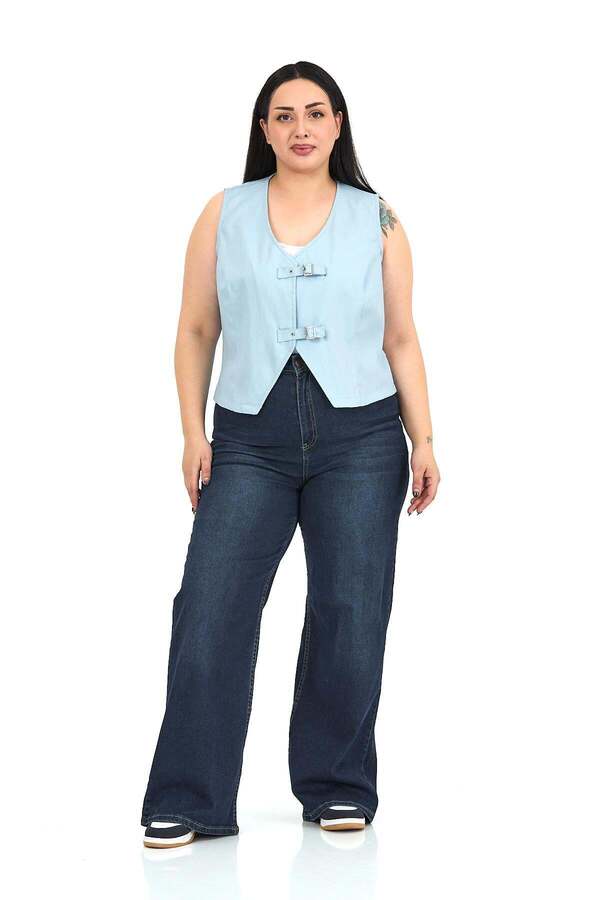
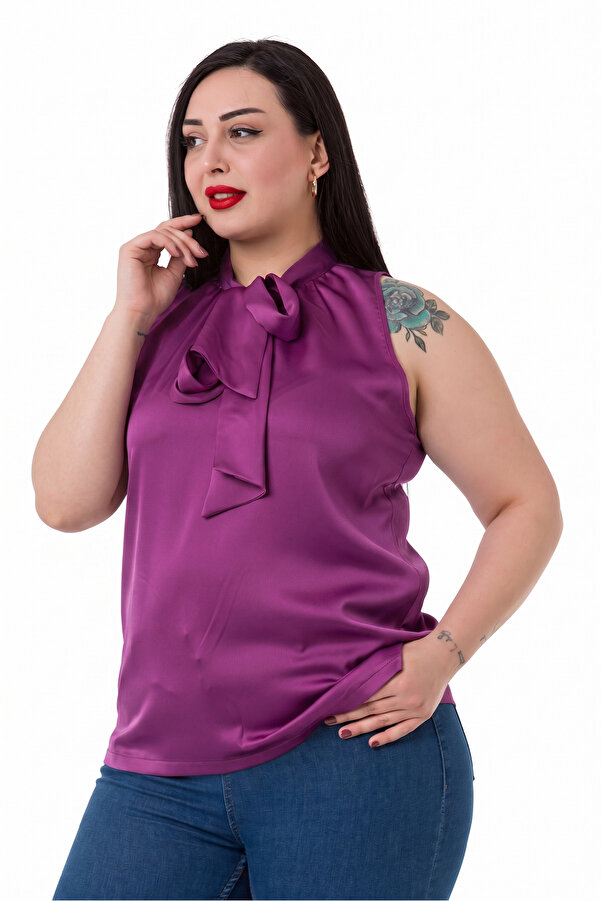
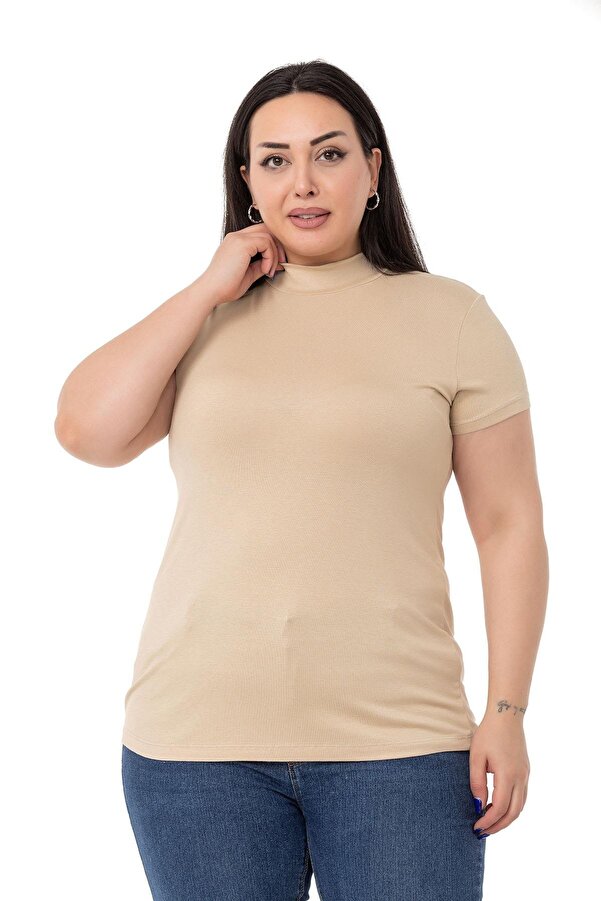
 · EST. 1998
Importing Clothes from Turkey to South Africa, Zambia & Zimbabwe
Yes, a boutique in South Africa, Zambia, Zimbabwe, Botswana or Namibia can buy plus-size clothing wholesale directly from an Istanbul manufacturer. You register as an importer at home, order online, confirm on WhatsApp and let a clearing agent handle customs; duty and VAT are assessed under your own country's rules.
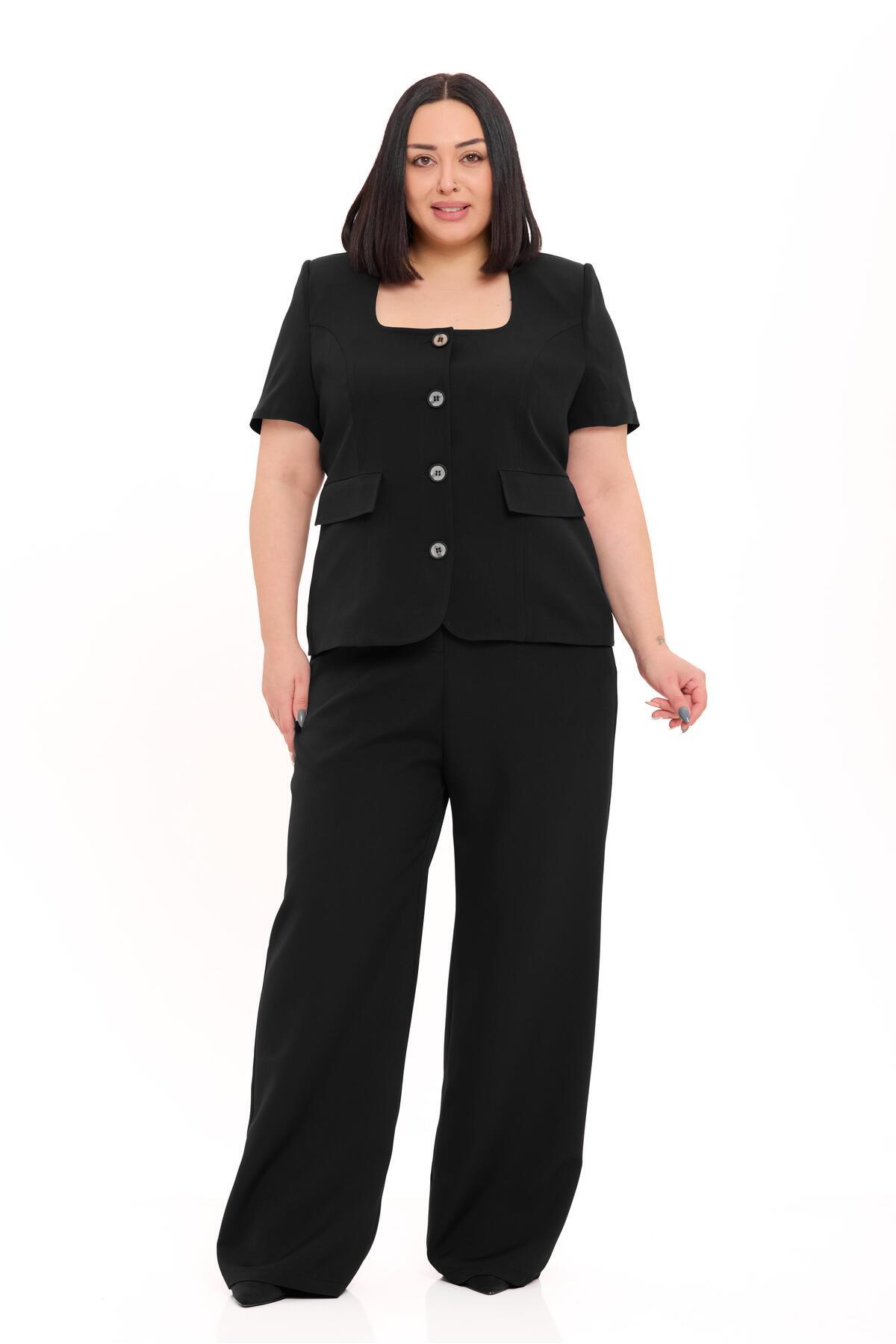
Yes: a boutique or reseller in South Africa, Zambia, Zimbabwe, Botswana, Namibia or Lesotho can buy plus-size clothing wholesale directly from a manufacturer in Istanbul. The sequence is straightforward: register as an importer at home, order online and confirm on WhatsApp, pay as agreed for that order, then ship by tracked courier or through your own forwarder while a clearing agent handles customs. Duty depends on each garment's tariff heading, and South Africa adds 15% VAT on imports.
- Resale needs importer registration: SARS says the personal-goods route is for personal use only, so boutique stock must come in under an importer code.
- South African VAT is 15%: SARS charges it on the customs value, plus any duty, plus a 10% uplift on the customs value.
- No Turkish trade preference: Turkey has no free-trade agreement in force with South Africa or the Southern African Customs Union (SACU).
- Different valuation bases: South Africa values imports from the free-on-board (FOB) price; Zimbabwe calculates duty on the cost, insurance and freight (CIF) value.
- Zambia's main sea gateways: Durban, Walvis Bay and Dar es Salaam, with almost all imports finishing the journey by truck.
- Our terms: sizes 34–60, a $400 minimum per shipment, full size sets or single pieces.
Rules and dates checked in October 2026. Customs rules change, so confirm the current position with your clearing agent or revenue authority before every shipment.
Can a boutique in South Africa buy wholesale directly from an Istanbul manufacturer?
Yes: a boutique in South Africa can order straight from our own atelier in Istanbul, where we have cut and sewn plus-size womenswear since 1998, and the same steps apply in Zambia, Zimbabwe, Botswana, Namibia and Lesotho. Buying from the maker removes the middle layer between you and the people who produce and pack your order. This is how to order clothes from Turkey to South Africa with us:
- Register free. It takes about 30 seconds and shows wholesale prices and live stock across more than 600 styles.
- Build your order list. Different models and colours can be combined, and you can order full size sets or single pieces.
- Send it on WhatsApp. One tap sends the list to our sales team; our guide to ordering on WhatsApp shows how to keep the exchange quick.
- Receive a proforma invoice. The team confirms stock, size breakdown and final pricing, then sends the proforma.
- Pay as agreed for that order. Payment is agreed with the sales team each time: bank transfer, cash, or payment through your cargo company.
- Ship your way. We send with tracked carriers such as DHL, UPS and FedEx, or hand the goods to your own cargo or forwarding company; shipping terms are agreed with each order.
Whichever Turkish clothing supplier you work with, check them before you pay; our supplier checklist sets out the signs that matter.
What paperwork do I need to import clothes from Turkey to South Africa?
To import clothes for resale into South Africa, you need a SARS customs registration as an importer, because stock for a business cannot come in under the personal-goods route. SARS states that the personal route is not for resale or any other business, and that anyone outside those limits must register and obtain an importer code. A licensed clearing agent can then declare each shipment under your code.
How are duty and VAT worked out?
- Customs value: SARS values most imports on the price actually paid, with the free-on-board (FOB) price as the basis.
- Customs duty: set by each garment's tariff heading under the SACU common external tariff. Published summaries of clothing rates do not agree, so we quote none here; ask your clearing agent to check the current SARS tariff book for your styles.
- VAT: 15%, charged on what SARS calls the added tax value, which is the customs value plus any duty plus 10% of the customs value, as set out in SARS's VAT guidance.
- No trade-agreement preference: the International Trade Administration's summary of Turkey's trade agreements, last updated in January 2026, lists no agreement with South Africa or SACU, so Turkish-made clothing has no preferential rate to claim.
How do I import clothes from Turkey to Zimbabwe or Zambia?
To import clothes into Zimbabwe or Zambia, register with the national revenue authority, work through a clearing agent, and expect each shipment to be declared electronically in ASYCUDA, the customs system both ZIMRA and ZRA use. These points were checked in October 2026; confirm current rules with your clearing agent.
Zimbabwe: what ZIMRA asks for
- A Business Partner number activated for customs purposes.
- A copy of your tax clearance certificate (ITF 263); without one, ZIMRA charges an additional tax on the value for duty purposes before releasing the goods.
- A bill of entry (Form 21), lodged in ASYCUDA with scanned supporting documents such as supplier invoices, the air waybill or bill of lading, freight and insurance statements and value declaration forms.
- Duty calculated on the CIF value, so the freight and insurance you pay form part of the dutiable value.
ZIMRA encourages importers to use professional clearing agents because valuation and tariff classification are complex, which is sound advice for any first shipment. Clothing and textiles are also among the product groups in Zimbabwe's Consignment Based Conformity Assessment (CBCA) programme, under which regulated consignments above a set value need a certificate of conformity issued before shipment, so ask your agent whether yours does and agree with our sales team who arranges it.
Zambia: how ZRA clearance works
The Zambia Revenue Authority handles customs clearance through ASYCUDA, and the US government's Zambia import guide lists bills of lading, airway bills and commercial invoices as the documents needed to clear goods, with form CE 20 used at border posts.
Zambia has no coastline, so sea cargo lands at a port in another country. Durban, Walvis Bay and Dar es Salaam are the most frequently used, and almost all imports finish the journey by truck, entering at border posts such as Chirundu, Livingstone, Kazungula and Nakonde.
Can my order for Botswana, Namibia, Zambia or Zimbabwe come through South Africa?
Yes: goods that land in South Africa but are meant for another country can cross in transit, moving in bond without being cleared for use in South Africa. SARS requires transit goods to be carried by a licensed remover of goods in bond, with a Customs Road Freight Manifest (DA 187) and a processed declaration for removal in bond travelling with the vehicle. Your forwarder arranges this; your part is to check that the invoice and shipping documents name the final destination and consignee correctly.
Boutiques buying wholesale clothing for Botswana or Namibia work under the same tariff as South Africa: with Lesotho and Eswatini, both countries form the Southern African Customs Union with South Africa, a single customs territory with one common external tariff for goods from outside, including Turkey. Imports are still cleared in your own country: in Botswana with BURS, which says commercial goods should go through registered clearing agents, and in Namibia with NamRA.
Should I ship by air to Johannesburg or by sea to Durban?
Express courier or air cargo into Johannesburg is usually the simpler choice for a first order or a top-up, while sea freight into Durban suits larger season orders planned well ahead. Durban is the country's main container gateway: SAnews, the government news service, reports that the port handles roughly 60% of South Africa's container traffic.
Four things drive the cost of either route:
- Weight and size (air and courier): carriers charge on the higher of actual and volumetric weight, so bulky coats cost more to fly than their weight suggests.
- Volume (sea): sea freight is priced mainly on the space your cartons take up, and a boutique order usually travels in a shared container.
- Consolidation: sharing transport with other cargo, or grouping your own orders, spreads fixed charges.
- Clearing and local charges: your agent's fee, port or airport handling, storage if paperwork is late, and delivery to your shop.
We do not quote freight costs or transit times here: they change with carrier, fuel and season, and only the carrier or your forwarder can price your actual cartons. For the wider process, see our step-by-step guide to importing clothing from Turkey.
When should southern African boutiques order summer and winter stock?
Southern African boutiques should order a season ahead: warm-weather stock around the middle of the year for selling from October to February, and autumn and winter stock around the turn of the year for March to August. Because the seasons run opposite to Turkey's, you are buying for a season your customers have not started thinking about. What tends to sell in each window:
October to February: the warm-weather season
- Dresses in light, easy fabrics for work, weekends and occasions.
- Co-ord sets, which give a finished outfit in one purchase.
- Tunics and blouses to wear over trousers or skirts.
- Kimonos and kaftans as light layers and cover-ups.
- Light trousers to complete summer outfits.
March to August: autumn and winter
- Coats and outerwear for cold mornings and evenings.
- Jackets for layering through the cooler months.
- Sweatshirts and knit-style tops for everyday warmth.
Zambia and Zimbabwe are also in the southern hemisphere, so their cool season falls in the middle of the year too. Our buying calendar shows how to plan first orders and reorders around these windows.
Which sizes should I stock, and what is the minimum order?
Stock the full curve from size 34 to 60; our minimum is $400 per shipment, made up of full size sets or single pieces, and different models and colours can be combined. For plus-size clothing wholesale in South Africa, the demand is broad: the country's 2016 Demographic and Health Survey found that about two in three women aged 15 and over fell into its upper body-mass-index categories. That points to steady demand for larger sizes rather than a niche.
A size run that stops halfway sends many of those customers elsewhere; the whole range lets a woman who likes a style find it in her size, which is what brings her back. Turkish sizes are labelled differently from UK and US sizes, so check our measurements guide before you plan quantities.
- Full size sets: a style across its size run in one step, the simplest way to test something new; our guide to size sets explains how they are made up.
- Single pieces: useful for adding a colour or repeating a style that has done well.
- Combining: different models and colours can be combined in one order to reach the $400 minimum.
- Range: more than 600 styles and thousands of colour variants, cut and sewn in our Istanbul atelier.
What should I have ready before placing my first order?
Before a first order from Turkey, have five things settled: importer registration, a clearing agent's quote, an agreed payment method, a delivery address with a named contact, and a size plan.
- Importer registration: a SARS importer code in South Africa, an activated ZIMRA Business Partner number and ITF 263 in Zimbabwe, or the registration your agent confirms ZRA, BURS or NamRA requires.
- A clearing agent's quote: their fees, the documents they need from you, and an estimate of duty and VAT for your styles from the current tariff.
- An agreed payment method: bank transfer, cash or payment through your cargo company, confirmed with our sales team for this order.
- Delivery address and contact: a full street address, a phone number the courier can reach, and your forwarder's details if you use one.
- A size plan: which styles you will take as full size sets and where single pieces will do, checked against the measurements guide.
Once those five are in place, register free in about 30 seconds and browse the full catalogue to see wholesale prices and live stock in sizes 34–60. Build your list, send it on WhatsApp, and our sales team will confirm stock and send your proforma invoice. Questions first? Message the team on WhatsApp at +90 555 336 47 86 or write to [email protected].
Frequently asked questions
Can a South African boutique buy directly from a clothing manufacturer in Turkey?
Yes. With Wholesale Plus Size you register free, build an order list on the website and send it to the sales team on WhatsApp, who confirm stock, size breakdown and final pricing and send a proforma invoice. Payment is agreed for each order, and goods ship by tracked carrier or through your own forwarder. At home you need your own importer registration and, usually, a clearing agent.
Do I need to register with SARS to import clothes for my boutique?
Yes. SARS says goods imported under the personal-goods route are for personal use only, not for resale or any other business, so boutique stock needs a customs registration and an importer code. A licensed clearing agent can then declare each shipment under that code. Confirm the current requirements with SARS or your agent before you ship.
How is VAT calculated on clothes imported into South Africa?
South Africa charges 15% VAT on imported goods. SARS calculates it on the added tax value, which is the customs value plus any duty plus 10% of the customs value. Your clearing agent can estimate the amount for a specific shipment before you order.
What customs duty applies to clothing imported from Turkey into South Africa?
Duty depends on the tariff heading of each garment under the SACU common external tariff, and published summaries of clothing rates do not always agree. Turkey has no free-trade agreement in force with South Africa or SACU, so there is no trade-agreement preference to claim. Ask your clearing agent to check the current SARS tariff book for your exact styles.
How do I import clothes from Turkey to Zimbabwe?
ZIMRA asks commercial importers for a Business Partner number activated for customs, a copy of the tax clearance certificate (ITF 263) and a bill of entry (Form 21) lodged in ASYCUDA with the supporting documents. Duty is calculated on the CIF value, which includes cost, insurance and freight. Clothing and textiles also fall under Zimbabwe's Consignment Based Conformity Assessment (CBCA) programme, so a consignment may need a certificate of conformity before it ships. ZIMRA encourages importers to use professional clearing agents, who can confirm the current rules.
How do I import clothes from Turkey to Zambia?
Customs clearance in Zambia is handled by the Zambia Revenue Authority through its ASYCUDA system, with bills of lading or airway bills and commercial invoices as the core documents. Sea cargo for Zambia usually lands at Durban, Walvis Bay or Dar es Salaam and continues by truck. A clearing agent can confirm the current registration and document requirements for your shipment.
Can goods for Botswana, Namibia, Zambia or Zimbabwe travel through South Africa?
Yes. Goods landed in South Africa for another country can move in transit, carried by a licensed remover of goods in bond with the documents SARS requires, and are then cleared in the country of destination. Botswana and Namibia share the SACU common external tariff with South Africa but clear imports through their own authorities, BURS and NamRA. Your forwarder arranges the transit documents and can confirm the current requirements before you ship.
When should South African boutiques order winter stock?
Order a season ahead, because southern Africa's seasons run opposite to Turkey's. Order coats, jackets and sweatshirts around the turn of the year for selling from March to August, and dresses, co-ord sets and blouses around the middle of the year for October to February.
What is the minimum order and which sizes are available?
The minimum for catalogue orders is $400 per shipment. The catalogue covers sizes 34 to 60, and you can order full size sets or single pieces, with different models and colours combined in one order. Registration is free and shows wholesale prices and live stock.